Published 24 August 2026
Why cars rust so quickly in Latvia: salt, moisture and winter roads
Road salt helps control ice, but with moisture it creates ideal conditions for corrosion. Here is where it collects and how to protect a car without miracle products.
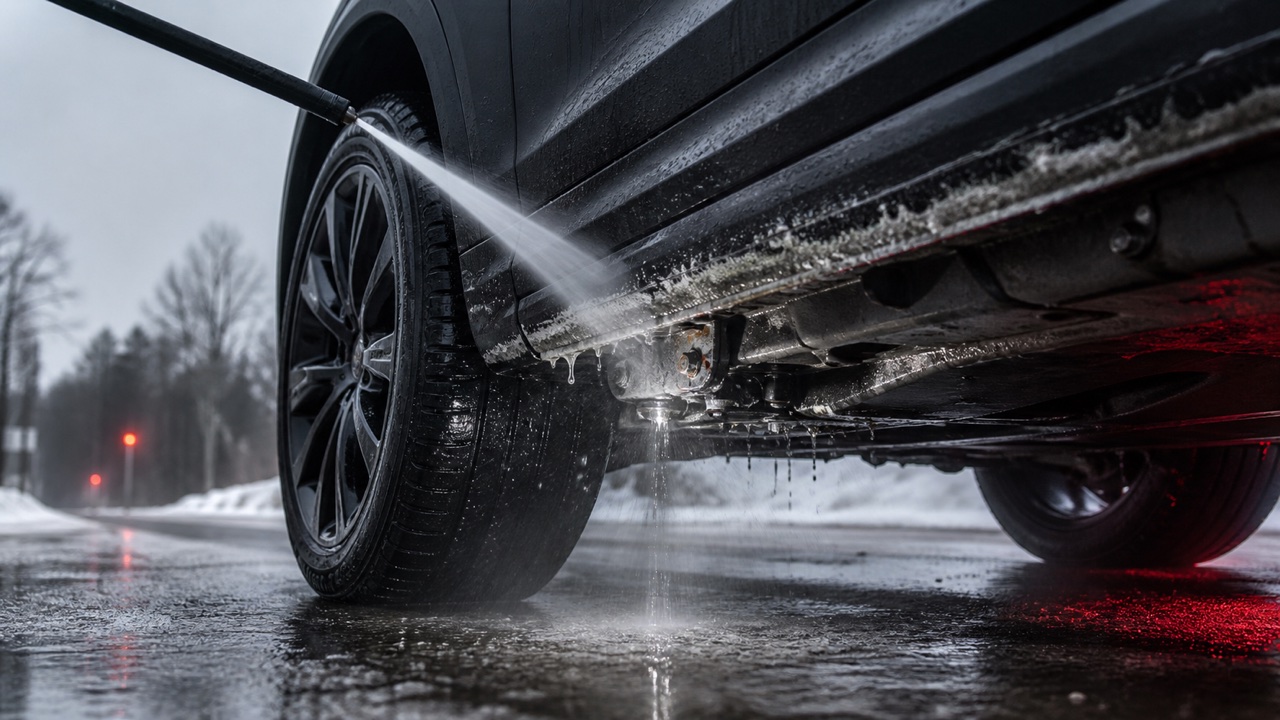
Every winter brings the same picture: wet snow, grey slush and a white salt film on the car. Salt is not spread to damage vehicles. Sodium chloride lowers the freezing point of water, helps break up ice and reduces slipperiness. It is a road-safety trade-off: useful on the road, unfriendly to metal.
Why does salt accelerate rust?
Steel corrosion needs water and oxygen. Dissolved salt makes the water more electrically conductive, allowing electrochemical corrosion reactions to proceed faster. Chlorides enter paint chips, seams and joints. When salty moisture dries, the crystals do not disappear; they dissolve again on the next wet day and the process continues.
The real problem is therefore not one snowy journey but repeated cycles of wet, dry and wet again. A warm garage is not automatically a cure. Drive in with a salty, wet car and the higher temperature speeds the reactions while contamination remains on the metal.
Where does salt hide?
- inside wheel arches and behind plastic liners;
- in sill seams, drainage holes and jacking points;
- on subframes, suspension parts and fasteners;
- on brake and fuel lines;
- where a stone chip has already broken the paint or protective coating.
The body can shine after a quick wash while most of the salt remains in the arches and underneath. That is why winter cleaning is about more than the visible paintwork.
Do cars really rust faster in Latvia than in Germany, Poland or Norway?
There is no honest one-line country ranking. De-icing salt is used elsewhere in Europe too, and conditions vary between regions of the same country. Corrosion depends less on the registration plate than on how much and how often salt is applied, freeze-thaw cycles, humidity, coastal air, body damage, vehicle design, washing and corrosion protection.
Latvian winters often create an unpleasant combination: temperatures repeatedly cross 0 °C, leaving wet salty slush on the roads for long periods and pushing it into every gap. Dry, consistently cold snow can sometimes be less aggressive to metal than weeks of damp weather and thawing.
How do you stop the car becoming a rust project?
- Rinse the arches and underbody regularly. For daily driving on salted roads, every couple of weeks and after a thaw is a sensible guide. One thorough spring wash cannot undo a whole winter.
- Rinse before touching the paint. A good pre-wash carries away salt and grit; do not hold a pressure jet extremely close to seals or electrical connectors.
- Keep drainage holes clear. Water must escape from doors and sills instead of sitting there with salt.
- Repair chips promptly. A small break through to bare metal is a direct route for moisture and chlorides.
- Inspect the protection. Underbody coatings and cavity wax do not last forever. Check them at least annually and restore areas that are damaged or lifting.
There is no miracle chemical: fresh water physically removes salt, a sound protective coating keeps it away from metal, and timely inspection finds damage while it is still inexpensive. In winter, a clean underbody matters more than a perfectly glossy bonnet.
Blog
Published 22 October 2026
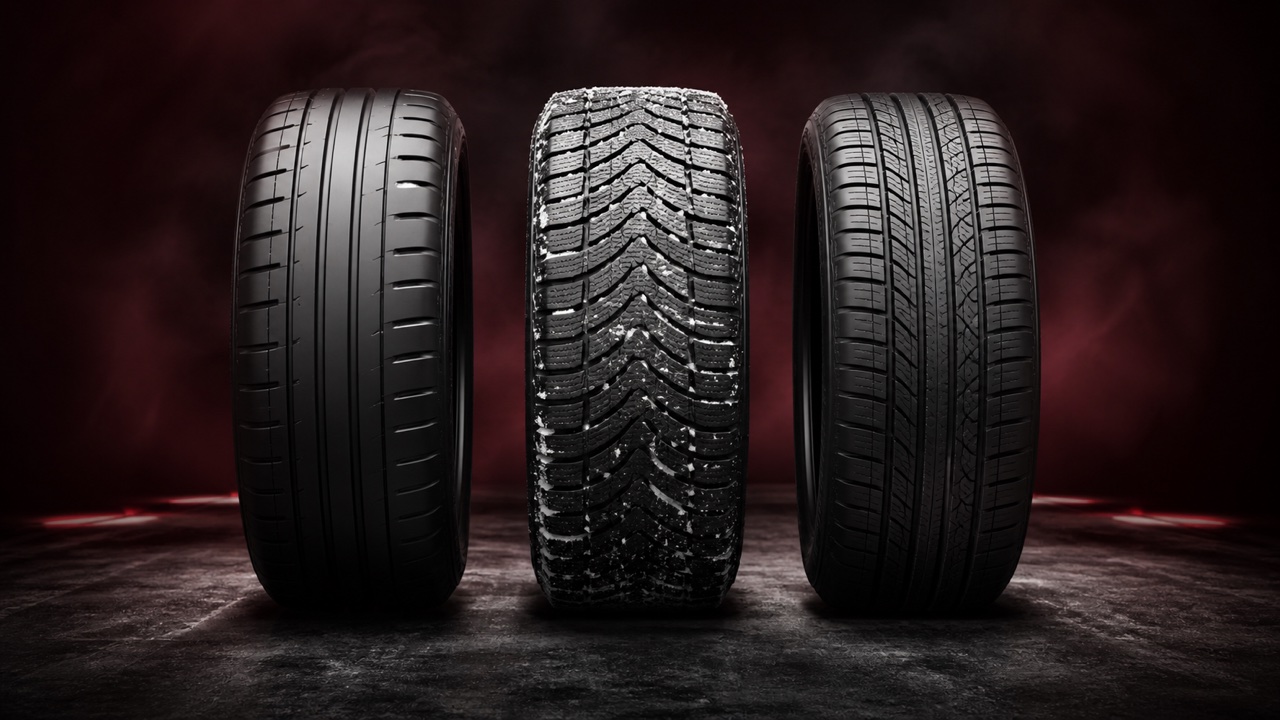
What does a tire change price include, and why does it vary?
A price per wheel, a four-wheel set and tire remounting are different offers. Here is what to check before comparing workshop prices.
Read more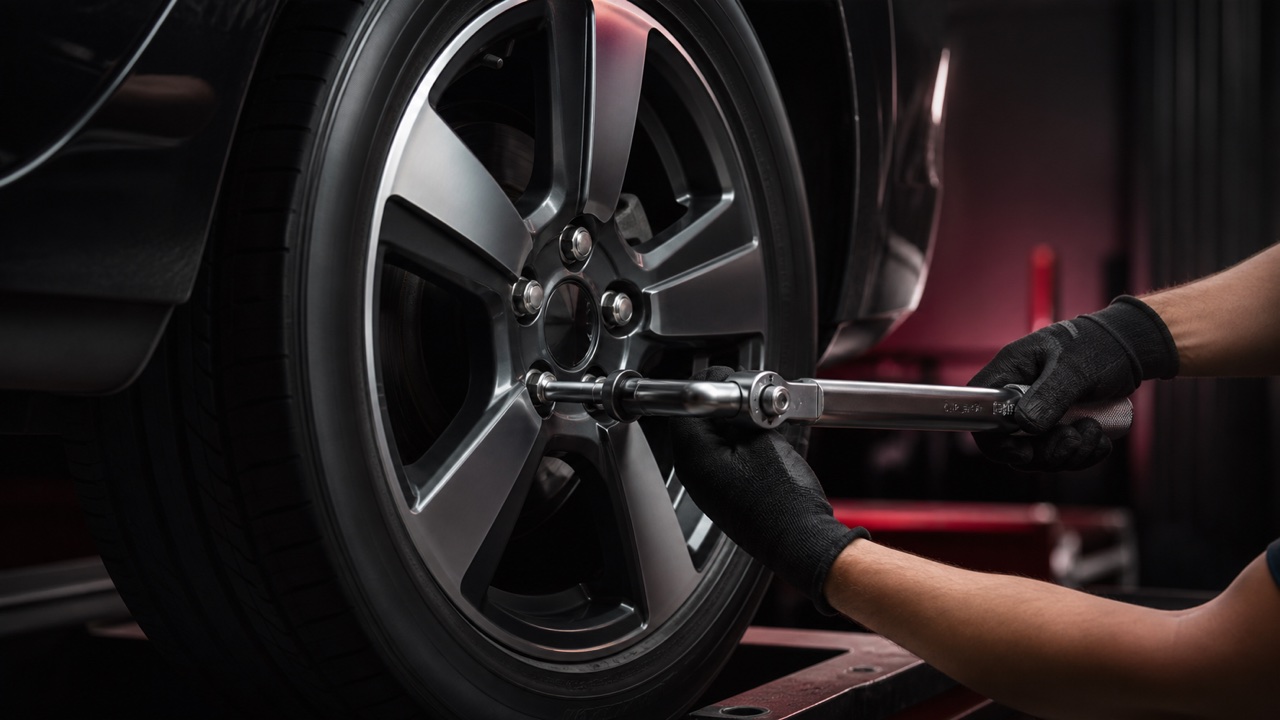
Published 22 October 2026
Complete wheel changes or tire fitting: what is the difference?
Two seasonal sets with their own rims and two tire sets sharing one set of rims involve different jobs. Here is the plain explanation.
Read more
Published 22 October 2026
How to organise fleet tire changes in your company car park
To avoid vehicles waiting without a reason, start with a list and a sequence. A practical preparation guide for businesses.
Read more